Coconut Crabs: The Giants of the Terrestrial Crustacean World
What Is a Coconut Crab?
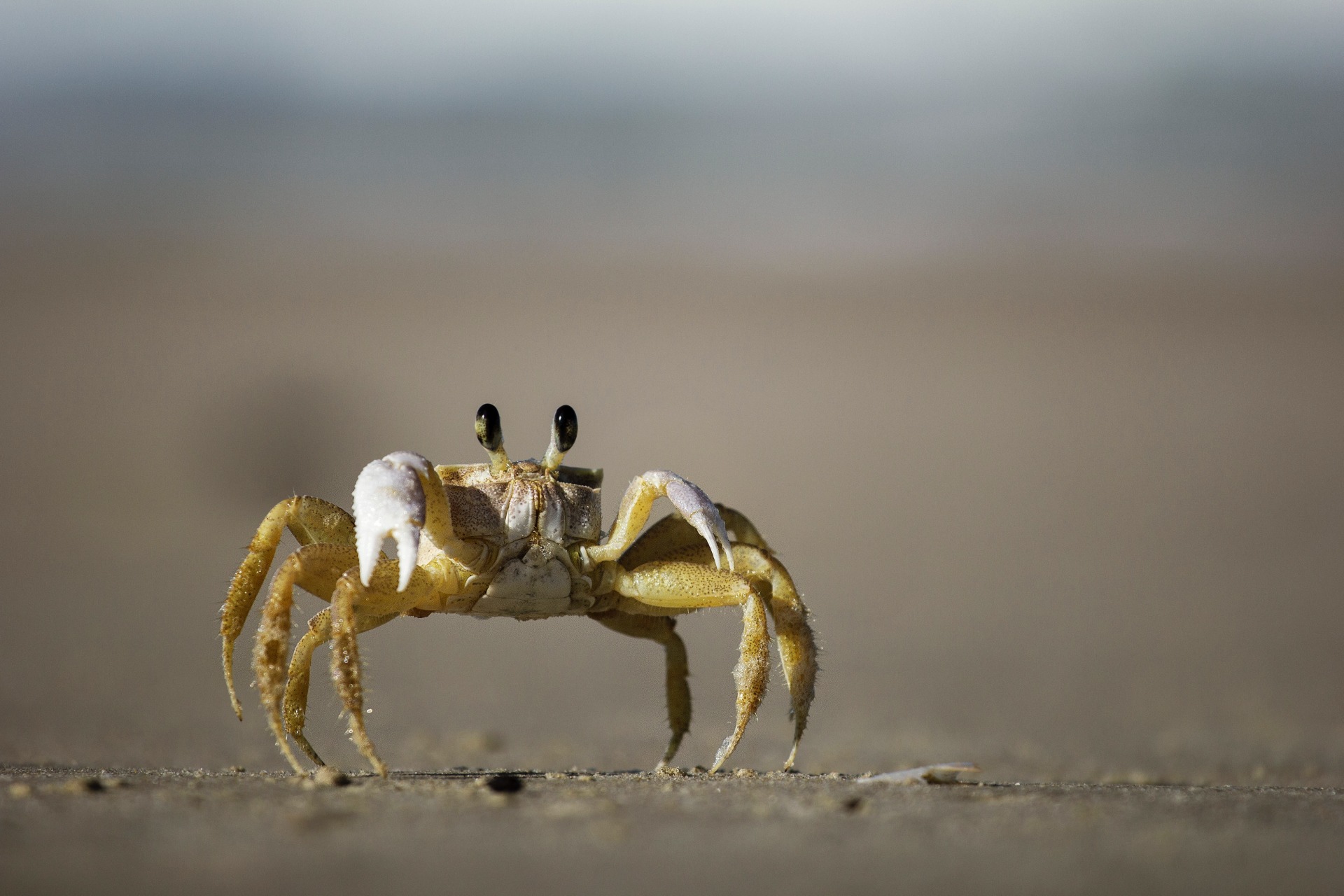
The coconut crab, also known as the robber crab or Birgus latro, is the largest land-living arthropod on Earth. Found on tropical islands across the Indian and Pacific Oceans, this impressive crustacean is famous for its powerful claws, climbing ability, and unusual diet that often includes coconuts.
Unlike most crabs, coconut crabs spend almost their entire adult lives on land, returning to the sea only to release their eggs. Their bodies are specially adapted to terrestrial life, with strong legs for walking and climbing and modified gills that function like lungs.
Physical Characteristics and Size
Coconut crabs can reach a leg span of over 1 meter and weigh up to 4 kilograms, making them true giants among land invertebrates. Their front claws are extremely strong and capable of cracking open coconuts, lifting heavy objects, and defending against predators.
Their coloration ranges from deep blue and purple to reddish-brown, often helping them blend into rocky or forested environments. A tough exoskeleton protects their body, and they periodically molt to grow, hiding in burrows while their new shell hardens.
Diet and Feeding Behavior
Despite their name, coconut crabs are omnivores that eat far more than just coconuts. Their diet includes fruits, nuts, seeds, carrion, and occasionally other animals. They are opportunistic scavengers, cleaning up organic material on the forest floor and coastal areas.
When feeding on coconuts, they use their claws to peel away the husk, then crack the shell to reach the nutritious flesh inside. This remarkable behavior has made them a subject of fascination for biologists and nature enthusiasts.
Habitat and Distribution
Coconut crabs live on remote tropical islands, coastal forests, and rocky shorelines. They dig deep burrows or hide in rock crevices during the day to avoid heat and predators, emerging at night to forage.
Their distribution stretches from the Seychelles and East Africa across the Indian Ocean to islands in the Pacific, including parts of Indonesia and the central Pacific. In many places, they share habitats with other unique island wildlife described in general nature guides such as island ecosystems.
Life Cycle and Reproduction
Female coconut crabs carry fertilized eggs under their abdomen until they are ready to hatch. They then migrate to the shoreline and release the eggs into the sea, where the larvae develop in the ocean for several weeks.
After passing through several larval stages, young crabs eventually settle on the seabed, then move onto land as juveniles. They continue to grow slowly, and it can take many years for a coconut crab to reach full adult size, contributing to their vulnerability.
Ecological Role and Behavior
Coconut crabs play an important ecological role as both scavengers and seed dispersers. By feeding on fallen fruits and carrion, they help recycle nutrients and maintain the health of island ecosystems.
They are mostly solitary and highly territorial, often defending burrows and feeding areas. Their nocturnal lifestyle reduces competition with other species and helps them avoid overheating in tropical climates.
Conservation Status and Threats
In many regions, coconut crab populations are declining due to overharvesting, habitat loss, and human development. Their slow growth and late maturity make them particularly sensitive to heavy hunting pressure.
Some islands have introduced size limits, closed seasons, and protected areas to help populations recover. Responsible ecotourism and awareness campaigns, often highlighted on wildlife conservation pages, are also important for their long-term survival.
Human Interactions and Cultural Significance
Coconut crabs have long been part of local cultures, valued as a traditional food source and featured in folklore. Their impressive strength and unusual appearance have inspired stories, myths, and modern media portrayals.
In recent years, they have become a popular subject for nature documentaries and scientific research. Balancing cultural traditions, tourism, and conservation is essential to ensure that future generations can continue to observe these remarkable animals in the wild.